Sagging Service Line in Gwandalan
Sagging or damaged service line at your Gwandalan property? A live low line is genuinely dangerous. Electrician Gwandalan is Level 2 ASP accredited and responds same-day, backed by 300+ five-star reviews and fixed upfront pricing.
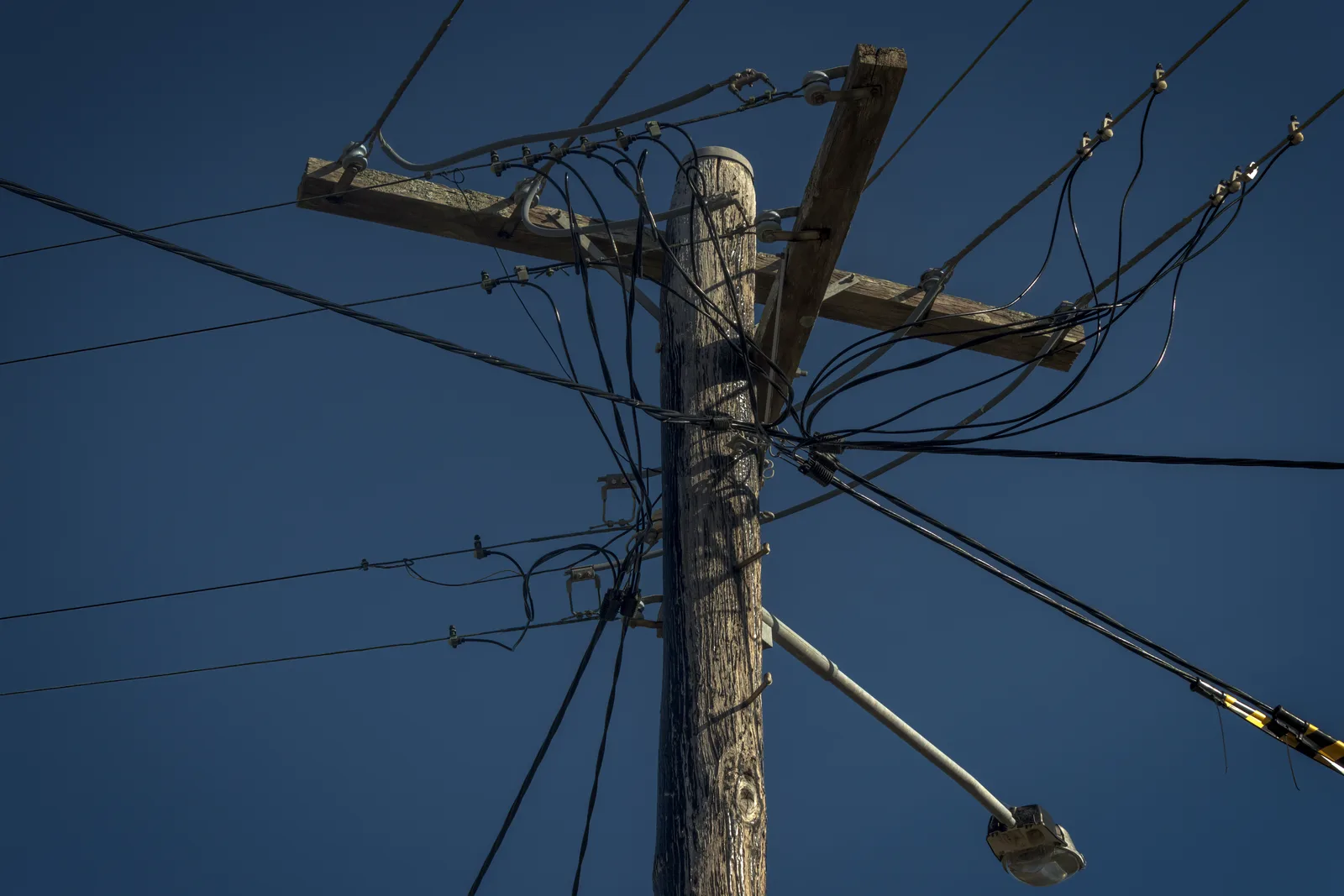
Same-Day & Emergency
We respond same-day, including 24/7 for a dangerous sagging line.
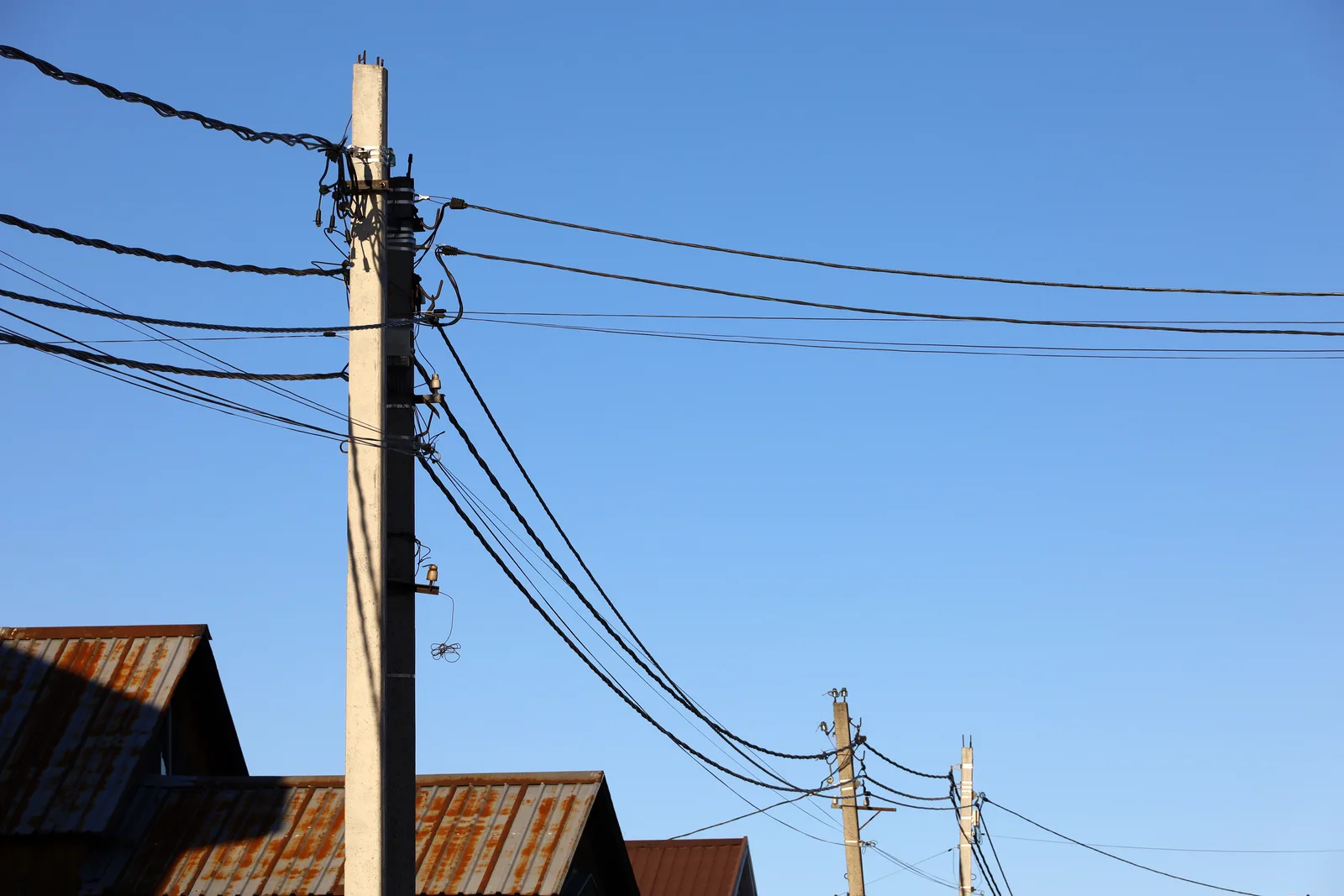
Level 2 ASP Accredited
Lic #451348C, accredited to work on the Ausgrid network.
300+ Five-Star Reviews
Rated 5 stars by homeowners across the Central Coast.
$0 Call-Out & Free Quotes
No call-out fee, ever, plus a free upfront quote.
What a Sagging Service Line Actually Means
The service line is the wiring between the street or pole and your meter, work only a Level 2 ASP is licensed to touch under AS/NZS 3000. A sagging, low or frayed line means it has stretched, been damaged or pulled loose, and a general electrician is not legally permitted to repair it.
Common Causes of a Sagging Service Line in Gwandalan Homes
Storm or wind damage
Lake Macquarie's storm season regularly stresses overhead service lines across the peninsula, stretching or partly detaching them from the house.
A fallen branch or debris strike
Mature trees around Gwandalan's established gardens and foreshore reserves can drop branches onto overhead lines, pulling them low or loose.
A failed point of attachment
The bracket fixing the line to your house has aged or corroded in the salt-laden lake air and given way under the line's own weight.
Naturally stretched ageing mains
Original service lines from Gwandalan's 1960s to 1980s build-out have simply reached the end of their working life and sag under normal conditions.
A truck or high vehicle strike
Overhead lines running close to Summerland Road or driveways can be caught by a passing truck, caravan or high vehicle, pulling the line down instantly.
Is a Sagging Service Line Dangerous?
Yes, this is one of the few electrical faults you should never ignore. A low or damaged overhead line can still be live, and contact with it or anything touching it is a serious hazard.
- Treat any sagging, hanging or damaged line as live until proven otherwise
- Keep people, pets, vehicles and ladders well away from the area
- Have it checked and made safe the same day, not next week
- Do not assume a line is dead just because part of the property has lost power
What To Do Right Now
These safe containment steps protect everyone on site while you wait for a Level 2 ASP to arrive:
- Stay well clear of the line and anything it may be touching.
- Keep children, pets and vehicles away from the affected area.
- Do not attempt to move, lift or cut the line yourself.
- Warn neighbours or passersby if the line is near a footpath or driveway.
- Call a Level 2 ASP electrician (Lic #451348C) immediately.
When To Call a Level 2 Electrician for a Sagging Line in Gwandalan
- The line is visibly low, frayed, sagging or pulled loose
- It followed a storm, high wind or a fallen branch
- The bracket at the house looks damaged or is hanging off
- Part or all of your property has already lost power
- You are unsure whether the line is still live
- A truck, caravan or high vehicle has recently struck the line
Any of these at your Gwandalan property is an urgent Level 2 job. We respond same-day and 24/7, with $0 call-out and free quotes. See our service mains page.
How it works
How We Fix a Sagging Service Line in Gwandalan
Safety Assessment
We assess the line and point of attachment from a safe distance first, confirming whether the property needs an immediate isolation before anyone approaches the affected area.
Upfront Quote
Once the fault is confirmed, you get a fixed, transparent price before any repair or re-tensioning work begins, so there are no surprises once the job is underway.
The Repair
As Level 2 ASPs we repair or replace the damaged service line and re-secure the point of attachment to the required standard, coordinating with Ausgrid where the network side is involved.
Testing & Safety Check
We test the finished connection thoroughly and confirm it meets AS/NZS 3000 before restoring full power, backed by a lifetime labour warranty on the completed work.
Why This Is Common in Gwandalan
Gwandalan's exposed lakeside position means storm surge, wind and mature foreshore trees put regular stress on overhead service lines, more so than sheltered inland streets near Kanwal. Peninsula properties along Summerland Road see it most.

Sagging Lines and Related Electrical Faults Across Gwandalan
A sagging service line is often linked to storm-damaged mains and a failing private pole. We fix all three across Gwandalan and neighbouring Wyee.
Sagging Service Line in Gwandalan? Call Now
Call (02) 4039 8302 for urgent same-day Level 2 help. $0 call-out, free quotes, fixed upfront pricing and a lifetime labour warranty, backed by 300+ five-star reviews. If it sparks, shorts, flickers or fails, we can fix it.
Common questions
Sagging Service Line FAQs
The questions Gwandalan homeowners ask most about a sagging or damaged overhead service line to the house.
Is a sagging service line dangerous?
Yes, this is one of the few electrical faults you should never ignore. A low or damaged overhead line may still be live and can cause serious harm.
What causes a service line to sag or hang low?
Stretched or aged overhead mains, storm damage, a fallen branch, or a failed point of attachment bracket at the house are the common causes.
What should I do if I notice a sagging service line?
Stay well clear of the line, keep others and pets away from the area, and call a Level 2 ASP electrician immediately, day or night.
Do I need a Level 2 electrician to fix a sagging service line?
Yes. The service line between the street or pole and your meter is Level 2 work, and only an accredited Level 2 ASP can legally repair it.
How much does it cost to fix a sagging service line?
We provide a fixed upfront quote once we have assessed the line and point of attachment, with $0 call-out fees and a free quote.
Are storms a common cause of sagging service lines in Gwandalan?
Yes. Gwandalan's lakeside exposure means storm surge and wind regularly stress overhead service lines across the peninsula each season.